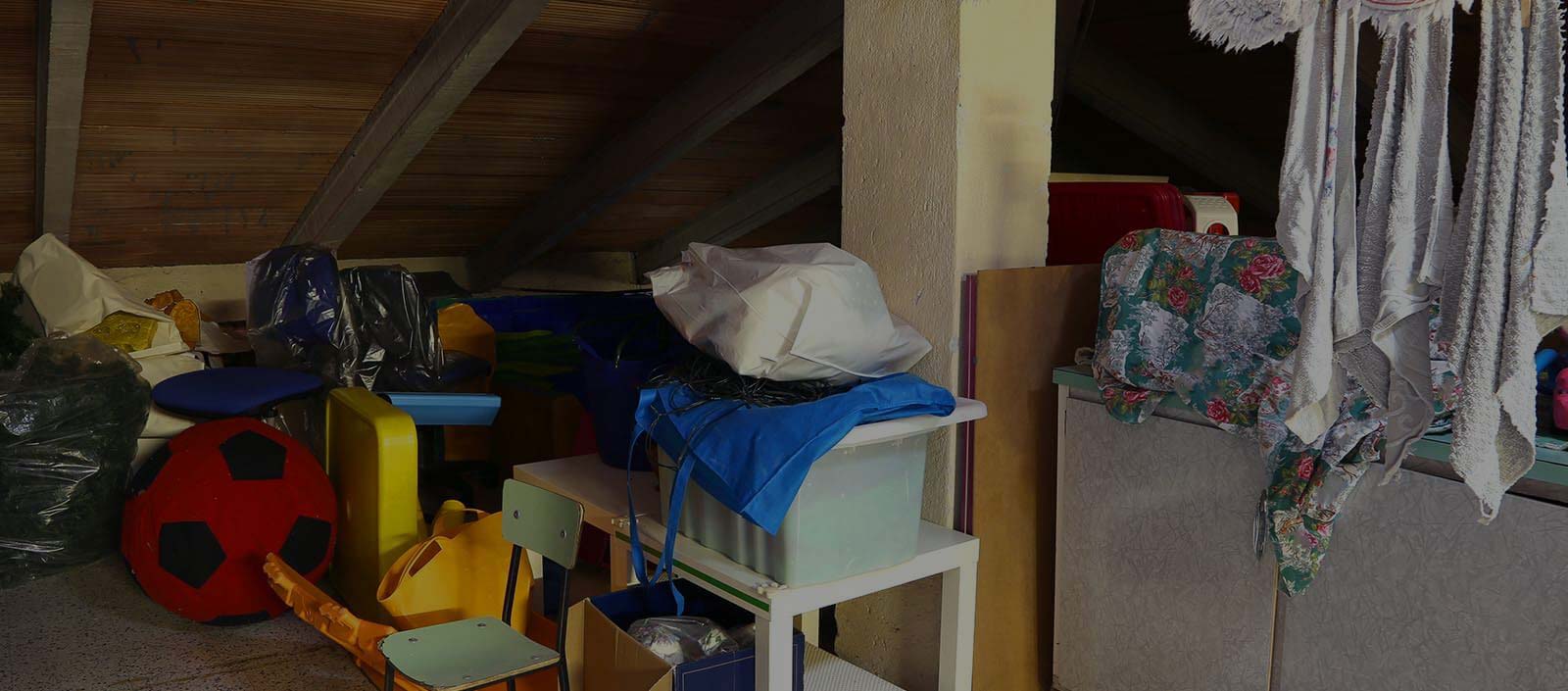
Rubbish removal Marsh Wall Canary Wharf E14 fast local service
Posted on 03/07/2026
Rubbish removal Marsh Wall Canary Wharf E14 fast local service: a practical guide for homes, flats, and businesses
If you need rubbish removal in Marsh Wall, Canary Wharf E14, chances are you want the job done quickly, neatly, and without the usual faff. Maybe the hallway is blocked by old furniture, the office has boxed-up clutter waiting to be cleared, or a flat renovation has left dust sheets, timber offcuts, and broken fittings everywhere. Whatever the situation, a Rubbish removal Marsh Wall Canary Wharf E14 fast local service should feel simple: clear communication, a prompt arrival, careful loading, and responsible disposal. Not a drama. Not an all-day waiting game.
This guide breaks down how local rubbish removal works, what to expect, where people often go wrong, and how to choose a service that saves time without cutting corners. Along the way, you will also find useful comparisons, a checklist, and a few practical examples from real-world situations around Canary Wharf, where space is tight and timing matters more than people expect.

Why Rubbish removal Marsh Wall Canary Wharf E14 fast local service Matters
Marsh Wall and the wider Canary Wharf E14 area have a rhythm of their own. Buildings are close together, access can be awkward, and many homes are in apartment blocks with lift bookings, concierge rules, loading restrictions, or tight windows for collections. That means rubbish removal is not just about "taking things away". It is about timing, access, and doing the job with minimum disruption.
A fast local service matters because waste left sitting around creates immediate friction. It gets in the way of contractors, makes a flat feel smaller than it already is, and can become a safety issue if bags are stacked in corridors or bulky items are left near exits. In shared buildings, that can also irritate neighbours pretty quickly. To be fair, nobody wants a sofa parked beside the entrance for three days.
There is also the local angle. Canary Wharf is a busy, high-footfall part of London, so a service that knows the area can often move more efficiently. That includes understanding building access, parking realities, and the kind of mixed waste common to modern city living: furniture, packaging, white goods, office clutter, builders' rubble, and the odd mystery item that has somehow been hiding in the loft for years.
If you are comparing options, it helps to think beyond speed alone. The right service should also be careful, compliant, and clear about what happens next. For a broader look at how a local provider structures its offerings, you may also find the services overview useful when planning the right type of collection.
How Rubbish removal Marsh Wall Canary Wharf E14 fast local service Works
Most local rubbish removal jobs follow a simple process, though the quality of the experience can vary a lot from one provider to another. In practical terms, it usually starts with describing what you need removed, where you are, and how much rubbish is involved. A good provider will then confirm the likely vehicle size, the type of labour needed, and any access concerns.
On the day, the team should arrive within the agreed window, assess the load, and remove items safely. You should not have to do heavy lifting yourself unless you want to move smaller bags or clear a path. The aim is efficiency, but efficiency done properly. No dragging furniture down shared stairwells. No leaving debris in the lobby. No guessing whether a box is recyclable or not.
For many households, the process is even easier than people expect. A flat clear-out after redecorating, a weekend declutter, or a one-off bulky waste pickup can often be handled in a single visit. Businesses in the area may need a more structured approach, especially if the clearance has to happen outside office hours. In those cases, services such as office clearance Canary Wharf and commercial waste removal Canary Wharf are often better suited than a basic collection.
A decent local operator will also separate waste streams where possible and make sensible decisions about reuse, recycling, and disposal. That matters more than people think. A pile of mixed rubbish is one thing; a sorted, well-prepared load is faster to remove and usually easier to process responsibly.
Key Benefits and Practical Advantages
The obvious benefit is speed. When rubbish is removed quickly, you regain usable space almost immediately. That sounds simple, but in a Canary Wharf flat or office, reclaimed space can feel like a minor miracle. A hallway becomes walkable again. A spare room becomes a spare room instead of a storage dump. An office can get back to looking professional instead of halfway through a move.
There is also the comfort factor. Mess creates mental drag. You see it every time you walk past it. Once it is gone, the space feels lighter. Cleaner. Easier to manage. Not exactly glamorous, but real.
Other practical advantages include:
- Less stress: one visit can be easier than arranging multiple trips to a tip or recycling centre.
- Safer access: clutter is removed from routes, landings, and work areas.
- Better compliance: a proper carrier can handle disposal responsibly.
- Flexible timing: useful when you need a collection around work, guests, or contractors.
- More suitable for bulky waste: furniture, appliances, and awkward items are easier to deal with in one go.
For many people, the real benefit is not the collection itself but the knock-on effect. Once the rubbish is gone, the next task suddenly becomes easier. Painting. Moving in. Handing keys back. Hosting people. The space works again.
If your rubbish includes heavy items or awkward household pieces, services such as furniture disposal Canary Wharf and white goods and appliance disposal Canary Wharf can be a more efficient fit than trying to bundle everything into one generic collection.
Who This Is For and When It Makes Sense
This kind of local rubbish removal is useful for a wide range of people. Homeowners use it after refurbishments, loft clear-outs, tenancy changes, or a long-overdue declutter. Tenants use it when they need to leave a property clean and clear. Landlords often need a fast response between occupiers, especially when abandoned items are left behind. Property managers and office teams need it when spaces need to be turned around quickly, often with very little spare time.
It also makes sense in a few less obvious situations. A small business might be clearing packaging and broken fixtures after a delivery. A shop may need old displays removed before a refresh. Someone moving into a new flat may realise the previous owner left a surprising amount of stuff behind. Happens all the time. And yes, it is usually less charming than it sounds.
The service is especially helpful when:
- you need a fast turnaround with minimal disruption
- you have bulky items that are hard to move safely
- the building has access rules or limited parking
- you want everything handled in one visit
- you prefer a compliant, traceable disposal route
For larger property jobs, it can be worth considering whether a more specific clearance option fits better. A full household job may suit house clearance Canary Wharf, while an attic or storage-space job may be better served by loft clearance Canary Wharf.
Step-by-Step Guidance
Here is a practical way to approach rubbish removal in Marsh Wall and Canary Wharf E14 without overcomplicating it.
- List what needs to go. Be specific if you can. "Old wardrobe, mattress, four bin bags, broken desk, and packaging" is much better than "some stuff".
- Separate the obvious categories. Furniture, electrical items, garden waste, and general rubbish are often easier to manage when grouped.
- Check access. Note lift dimensions, floor level, parking restrictions, concierge rules, and any time windows.
- Ask how the load will be handled. You want to know whether the team removes from the property, what they cannot take, and whether there are any extra charges for difficult access.
- Confirm the timing. Fast local service should still mean an agreed window, not a vague "sometime today".
- Prepare the space. Move small valuables, make a clear path, and keep pets or children away during loading.
- Review what was removed. A quick final check helps catch anything left behind before the team leaves.
It is a plain process, really. The smoother the preparation, the faster the removal. A bit of prep saves a lot of frustration later.
If you are comparing collection types, remember that some waste is better handled under a targeted service. Construction leftovers, for instance, usually need a more robust approach than mixed household rubbish. In those cases, builders waste disposal Canary Wharf is more appropriate than a general clear-out.
Expert Tips for Better Results
A few small decisions can make the whole thing easier. First, take photos before you book if the job is awkward or unusually full. It helps avoid misunderstandings and gives the provider a better sense of scale. Second, be honest about access. If the lift is out, say so. If the only parking is a short walk away, say that too. These details matter more than people realise.
Third, group items by size and type where possible. A neat pile in one room is far easier to remove than a spread of bags across multiple rooms. Fourth, keep an eye on anything reusable. A service that can separate items for recycling or reuse is usually making a better environmental choice, and often a more efficient one too. You can read more about the company's approach in its recycling and sustainability page.
One practical tip people often miss: check timing against building noise rules. In a tower block, even a simple collection can become awkward if it is planned during a quiet period or a concierge shift change. A little coordination saves everyone a headache.
And if you are managing an office, keep the process tidy on your side as well. Label what stays and what goes. It sounds basic, but when there are three people pointing at similar-looking chairs, things can get weirdly chaotic.

Common Mistakes to Avoid
One of the biggest mistakes is underestimating the amount of waste. That leads to a vehicle that is too small, more trips than expected, or a second booking when one would have done the job. Another common issue is mixing everything together without thought. While a collection team can usually handle mixed waste, sorting obvious categories first can improve speed and may reduce disposal complexity.
People also make the mistake of assuming every provider works the same way. They do not. Some are better for light domestic waste, while others are better suited to larger clearances or commercial jobs. A fast service should still be a considered service.
Other avoidable slip-ups:
- not checking what access arrangements are needed
- forgetting about lifts, parking, or loading restrictions
- leaving valuables hidden inside items being removed
- booking a general collection for waste that really needs a specialist approach
- failing to ask how the waste will be disposed of
There is also the tempting but risky option of using an unverified operator because they sound cheap and quick. That can backfire badly. If waste is fly-tipped or dumped irresponsibly, the headache can land on the wrong person. Not worth it.
Tools, Resources and Recommendations
You do not need fancy tools for a typical rubbish removal booking, but a few basic things make the process much smoother. A phone camera is handy for sending photos of the load. A tape measure helps if you have a bulky item near a doorway or lift. A notebook or simple checklist can be useful if you are clearing multiple rooms and want to keep track of what is staying.
From a service perspective, the most useful resources are often the pages that explain scope, pricing, safety, and compliance. For example, if you want a broader sense of how the provider structures collections, the rubbish collection Canary Wharf page is a practical place to start. If you are weighing up a larger or mixed job, the waste removal Canary Wharf page may be more relevant.
A couple of other pages are worth reading if you want extra reassurance before booking:
- pricing and quotes for how estimates are typically handled
- insurance and safety for how jobs are managed on-site
- waste carrier licence and compliance for responsible disposal expectations
And if your clear-out is more than just a few bags, it may help to use a more tailored service page rather than guessing. A quick browse saves time. Sometimes a lot of time, actually.
Law, Compliance, Standards, and Best Practice
For rubbish removal in the UK, compliance matters. You do not need to become an expert in waste regulations to book a service, but you should make sure the provider operates responsibly and can show that it handles waste properly. In practical terms, that means using a legitimate waste carrier, handling disposal through appropriate facilities, and avoiding anything that looks suspiciously vague.
A good standard to look for is simple transparency. The team should explain what they can remove, what they cannot take, and how they manage different waste types. They should also behave safely on site: lifting carefully, protecting common areas where needed, and not leaving residue or debris behind.
Best practice usually includes:
- clear communication before the visit
- appropriate vehicle and labour planning
- careful handling of bulky or sharp items
- sorting recyclable materials where possible
- responsible disposal through compliant channels
If you are dealing with business waste or office clearances, the need for tidy record-keeping and sensible disposal is even stronger. The practical approach is to choose a provider that takes compliance seriously but explains things in plain English. No jargon soup. No confusing promises.
Options, Methods, and Comparison Table
There is more than one way to get rid of rubbish in Marsh Wall and Canary Wharf E14. The right option depends on how much waste you have, how quickly it needs to go, and how much lifting or sorting you want to do yourself.
| Method | Best for | Pros | Watch-outs |
|---|---|---|---|
| Fast local rubbish removal service | Mixed household or business waste, bulky items, urgent clear-outs | Quick, convenient, usually one visit, less heavy lifting for you | Needs clear access info; pricing should be confirmed properly |
| Self-transport to disposal point | Small loads and people with time, transport, and lifting ability | Can work for tiny jobs; full control over timing | Time-consuming, tiring, and awkward for bulky items |
| Specialist clearance service | Whole rooms, offices, lofts, or larger property projects | Better for larger volumes and structured jobs | May be more involved to plan, but often worth it |
| Targeted disposal service | Furniture, appliances, garden waste, builders waste | Efficient for specific item types | May not suit mixed loads unless the provider offers that scope |
For a lot of people, the local service wins because it strikes the best balance between speed and effort. That said, if you already know the load is specialised, choosing a more specific service from the start is usually the smarter move.
Case Study or Real-World Example
Here is a realistic example from the kind of job you see often in E14. A resident in a Marsh Wall apartment had recently finished a small renovation: new flooring, a replaced wardrobe, several bags of packaging, and one old chest of drawers that had been sitting unused for years. The building had a lift, but the concierge only allowed loading during a narrow window. On paper, it looked simple. In practice, timing was everything.
The resident sent photos in advance, listed the items clearly, and confirmed access rules before booking. On the day, the team arrived within the agreed window, protected the common route, removed the furniture without blocking the corridor, and loaded everything in one go. No back-and-forth. No surprise delays. The whole thing took far less time than the resident had expected, and the flat felt usable again by lunchtime. A small win, but a very real one.
The useful lesson here is not that every job is tiny. It is that good preparation makes fast local rubbish removal genuinely fast. When access, item list, and timing are sorted early, the collection can be smooth enough to feel almost boring. And honestly, boring is great here.
Practical Checklist
Use this checklist before your rubbish removal booking:
- Have I listed everything that needs removing?
- Have I separated furniture, electrical items, and general waste?
- Do I know whether access is via stairs, lift, or a loading bay?
- Have I checked for parking or concierge restrictions?
- Are there fragile items or valuables that need to stay?
- Do I know whether the job is domestic, commercial, or mixed?
- Have I read the provider's pages on pricing, safety, and compliance?
- Is there a time window that fits the building or business schedule?
- Have I asked about bulky items, appliance disposal, or specialist waste?
- Is the space clear enough for the team to work safely?
If you can tick most of those off, you are usually in good shape. If not, spend a few more minutes sorting the details first. It saves a lot of hassle later.
Conclusion
Rubbish removal in Marsh Wall, Canary Wharf E14, works best when it is local, quick, and handled with proper care. The right service should remove clutter without creating new problems, respect access rules, and dispose of waste responsibly. That matters whether you are clearing a flat, refreshing an office, or dealing with bulky items after a move or renovation.
The key is not just speed. It is reliability, clarity, and a sensible approach to the job in front of you. Get those parts right and the process becomes far easier than most people imagine. You look around, the space is open again, and the day moves on. Simple as that.
Get a free quote today and see how much you can save.
And if you are still deciding, that is fine too. Take a breath, check the access, and choose the route that makes life easier rather than noisier. A tidy space has a way of making everything else feel a bit more possible.