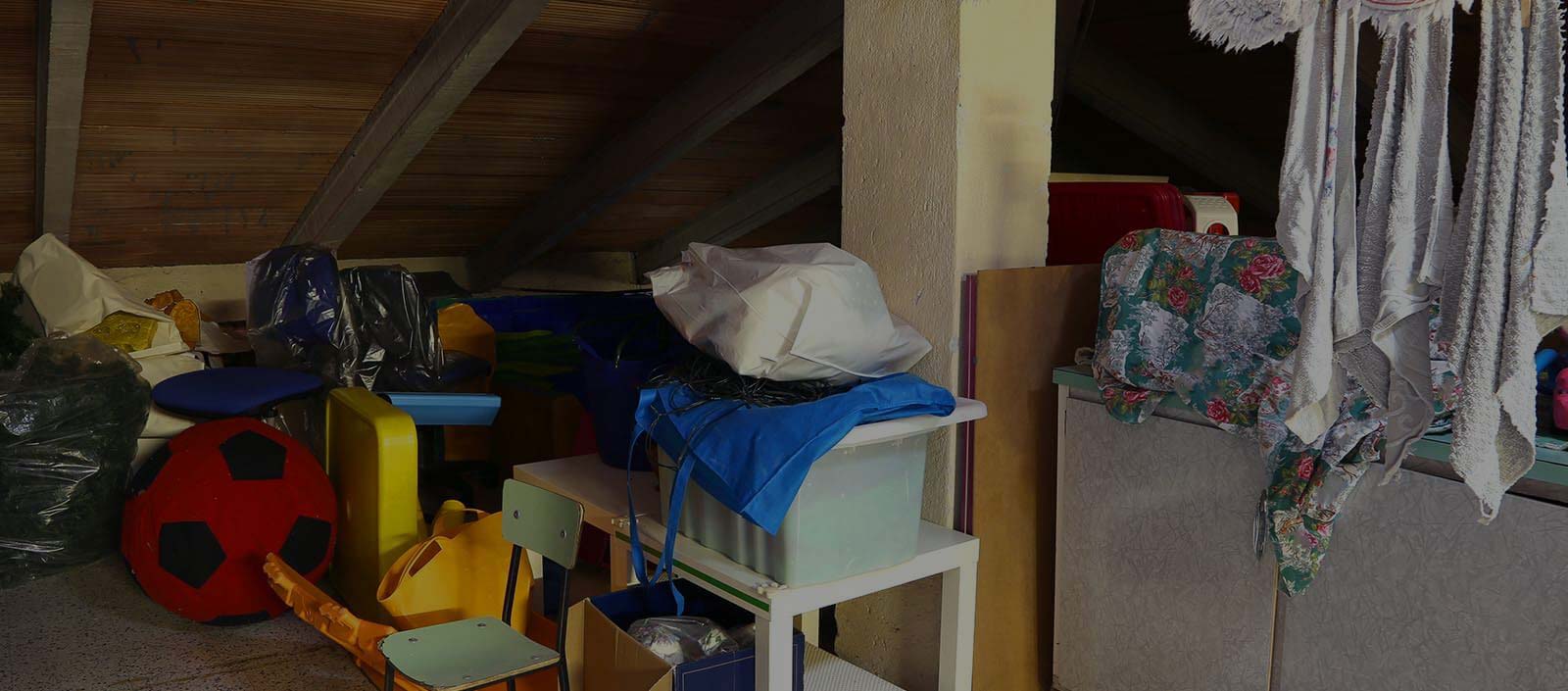
Waste Removal in Canary Wharf for homes, flats and workplaces
Waste Removal Canary Wharf provides practical rubbish clearance for homes, apartments, shared buildings and business premises in Canary Wharf. The service is organised around straightforward removal of unwanted items, general household waste and mixed loads that need collecting, lifted and disposed of responsibly. Whether you need a single item taken away or a fuller clearance, the aim is to keep the process clear, careful and suited to the space being cleared.
We work across domestic and commercial settings, with service options that can suit furniture, appliances, builders’ waste, office items and everyday rubbish. If you are planning ahead, you can review the services overview and compare how different collections are grouped. For customers looking to understand charges before making a decision, the prices page gives a helpful starting point. Tell us what needs removing, and we can help you move towards the right type of quotation.
Clear waste removal is often about matching the load to the right collection method. Some jobs are mostly loose household rubbish, while others involve awkward items, heavier materials or mixed contents that have to be separated before disposal. We keep the process practical by focusing on the item types, access and volume, so the service you request fits the work that actually needs doing.
Domestic waste removal and household clearances
Household waste removal is suited to everyday rubbish, bagged waste, small clear-outs and the kind of clutter that builds up in kitchens, cupboards, spare rooms and hallways. It can also help when a property has items that are no longer needed after a move, refurbishment or general sort-out. The service is intended to take away waste in a tidy, organised way without making the customer manage a complicated disposal process.
If you are dealing with bulkier household items, a dedicated furniture removal service may be more suitable than a standard rubbish collection. Sofas, wardrobes, tables and similar pieces often need different handling from loose waste, especially where carrying routes are tight or several items need to be removed together. For general house contents and fuller clearances, house clearance in Canary Wharf is the broader option.
Items that are often collected from homes
Typical domestic loads can include boxed rubbish, broken household items, old soft furnishings, worn-out small appliances and mixed clutter from storage spaces. The most useful approach is usually to group items by type before the collection, because it helps clarify whether they belong with general waste, furniture disposal or specialist handling. Keeping the load easy to identify can make the quotation stage simpler and the collection more efficient.
Commercial waste removal for offices and trading premises
Commercial waste removal is designed for workplaces that need furniture, paperwork, fixtures or day-to-day rubbish taken away without disrupting routine operations more than necessary. Offices, shared workspaces and retail or service settings often produce mixed waste streams, so a commercial collection needs to be organised with access, timing and item type in mind. The aim is a clean removal that supports the property rather than leaving extra sorting behind.
For businesses with desks, chairs, filing units and similar contents, office clearance gives a more focused way to remove workplace furniture and surplus equipment. Where the issue is mostly general premises waste, commercial waste removal in Canary Wharf is a better fit for routine or one-off business collections. When planning a larger clearance, a simple inventory and clear access notes are usually enough to start shaping the quote.
Workplace waste often includes a combination of recyclable material, redundant furnishings and items that need careful separation before disposal. Tell us the main item groups and whether the site is still active, because that helps determine the most suitable service route. If the clearance includes larger desks or heavy cabinets, it may be worth grouping those pieces first so the collection plan reflects the true scale of the job.
Builders’ waste, appliances and other specialist loads
Some removals call for a more specific service than general rubbish collection. Building work can leave rubble, offcuts, packaging and broken fittings that need to be cleared from the site safely. The appropriate route depends on the material mix, the amount involved and whether the load contains items that need separation. A tailored collection helps keep the work orderly and easier to complete.
For renovation debris and post-project materials, builders’ waste disposal is the relevant choice. For worn or broken appliances, white goods and appliance disposal is more appropriate, especially where fridges, washing machines or similar items are involved. If the main issue is a broader mix of loose rubbish and everyday waste, rubbish collection in Canary Wharf offers a straightforward general option.
Useful preparation usually stays simple: list the main items, note any heavy or awkward pieces, and mention whether there are stairs, lifts or restricted access. Photographs can help with larger or mixed loads, but a clear written description is often enough for an initial quotation. If the job includes both general waste and a few specific bulky items, separating them in your notes can help keep the estimate realistic.
Furniture, garden waste and domestic specialist removal
Domestic clearances are not always just about bags of rubbish. Furniture disposal may be needed when a flat is being refreshed, a storage room is being emptied or old items are being replaced. The work is generally about removing pieces cleanly and safely, with attention to size, weight and the route out of the property. That makes it easier to deal with the load without unnecessary disruption.
Where unwanted items are mainly household furnishings, furniture disposal provides a direct solution. If the job also involves outdoor cuttings, hedge trimmings or similar material, garden waste removal is the relevant service to consider. For customers who want a broader view of how domestic and business collections are structured, waste removal in Canary Wharf gives the main service entry point.
The right choice often depends on how mixed the load is. A single sofa or wardrobe is one kind of job; a room full of mixed items, bags and broken household objects is another. Being specific about the item mix helps keep the collection plan accurate and avoids turning a simple removal into a more complicated clearance than necessary.
Pricing, compliance and what affects a quotation
Quotations for waste removal are usually shaped by the amount being taken, the type of material, ease of access and whether the job involves one clear load or several distinct groups of items. Heavy materials, awkward furniture and mixed waste can each influence the work required. If the property has lifts, stairs, parking restrictions or a long carrying route, those practical details also matter when estimating the collection properly.
For customers who want to understand the process behind the numbers, pricing and quotes explains the main considerations in more detail. If you want to check disposal responsibilities and handling standards, waste carrier licence and compliance is the relevant page. Ask for a quotation once you know the main load, because a clear description is usually the quickest way to get an accurate response.
The best quotation requests are often the simplest ones. A short note about the type of waste, the approximate amount and any access issues is usually enough to start. If the job includes items with different handling needs, such as appliances, furniture and general rubbish together, mention them separately so the estimate reflects the whole collection rather than only the easiest part.
Planning a collection and keeping the process straightforward
A well-planned waste removal tends to move more smoothly when the customer has already identified the key items. That does not mean preparing a detailed inventory for everything, but it does help to know what is staying, what is going and whether anything is fragile, especially in a property with narrow access or shared parts. For larger jobs, a few photographs can support the description and make the scope easier to interpret.
If you are comparing the business pages before deciding, the about us page gives background on the company’s approach, while insurance and safety explains important working considerations. When payment handling matters to your planning, payment and security is a useful page to review. These pages can help you choose the right service with fewer unknowns.
In practice, the most helpful information is usually the item list, access details and the preferred timing for the collection. If you are preparing a workplace or home for removal, it can also help to separate items into clear groups before the team arrives. That makes the collection easier to manage and keeps the work focused on removal rather than sorting on site.
About Canary Wharf
Canary Wharf is a major district on the Isle of Dogs in the London Borough of Tower Hamlets, shaped by its docklands history and later transformed into one of the capital’s best-known financial centres. The modern estate sits within the wider Docklands regeneration story, but the area still reflects its waterside geography through docks, piers and the surrounding network of quays and basins. Its built environment is marked by tall glass towers, broad pedestrian routes and a carefully planned urban layout that differs from the older streets nearby. Landmark buildings such as One Canada Square, once the tallest building in the United Kingdom, helped establish the district’s skyline and commercial identity. Public spaces are an important part of the setting too, with Cabot Square, Jubilee Park and the waterside walkways giving the area a more open feel than a purely office-led district. The transport network is also central to its character, with underground, Docklands Light Railway and river links supporting movement through and beyond the area. Retail, dining and public art add to the day-to-day atmosphere, while the surrounding waterways keep the history of the docks visible in the landscape. Although Canary Wharf is often associated with business, it is also a place of mixed use, where offices, homes and public realm sit close together in a compact urban environment.
Clear, responsible waste removal with a simple next step
Whether you need a single bulky item removed or a fuller clearance across a flat, office or shared property, the service is built around matching the load to the right kind of collection. That includes general rubbish, furniture, appliances, domestic clutter, builders’ waste and commercial contents where a more specific approach is needed. The more clearly the items are described, the easier it is to shape the quotation and select the right service.
For more detail on service choices, services overview can help you compare the main options before you decide. If your job is tied to a particular type of load, the relevant specialist page is usually the best place to start. When you are ready, request a quotation and include the item type, approximate amount and any access notes so the response can be tailored to the work.
To finish, keep your enquiry concise and practical: say what needs taking, where the collection is needed and whether there are any awkward pieces or restrictions. Contact us to begin the quotation process for waste removal in Canary Wharf.